
Ensuring the optimal performance and reliability of your SQL Server environment is a critical task for any database administrator. With the increasing complexity of database systems and the growing volume of data, proactive monitoring has become essential to prevent downtime, optimize queries, and maintain overall system health. This is where tools like Database Health Monitor come into play, offering a comprehensive solution to track key performance metrics, identify bottlenecks, and provide actionable insights to keep your SQL Server running smoothly.
Database Health Monitor is designed to simplify the often daunting process of SQL Server monitoring by providing an intuitive interface and detailed reports tailored to your specific needs. Whether you’re managing a single instance or a large-scale environment, this tool helps you stay ahead of potential issues with real-time alerts and historical data analysis. In this blog post, we’ll explore the key features of Database Health Monitor, discuss how it can transform your approach to database management, and guide you through setting up effective monitoring practices to ensure your SQL Server remains in top shape.
When it comes to managing SQL Server, monitoring and optimizing performance is a critical part of ensuring that your database environment is running smoothly. The Database Health Monitor for SQL Server is an invaluable tool for monitoring performance and identifying potential issues before they become significant problems.
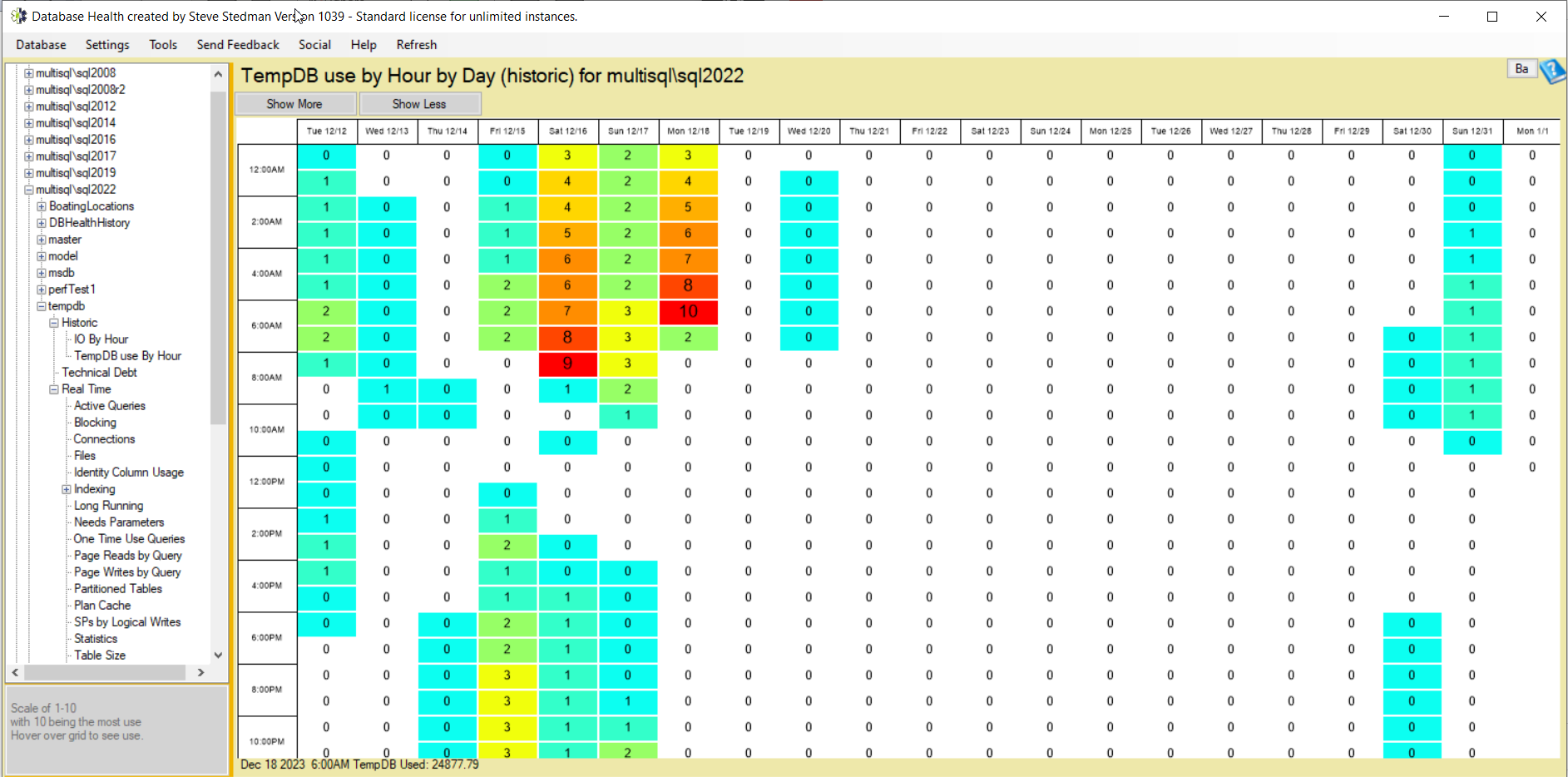
One of the most critical aspects of SQL Server Performance monitoring is understanding the query execution plan. The query execution plan describes how SQL Server executes a query, including which indexes and operators it uses and the order in which it performs various operations. By analyzing the execution plan, you can identify potential performance bottlenecks and optimize queries for better performance.
The Database Health Monitor provides insights into query execution plans by tracking the most expensive queries by CPU or IO usage. You can use this information to identify queries that are consuming the most resources and optimize them for better performance. Additionally, the tool provides information about missing indexes that could improve query performance.
Another critical aspect of SQL Server performance monitoring is memory usage. SQL Server uses memory to cache data and queries, which can significantly improve performance. However, if SQL Server is using too much memory, it can cause other applications to slow down or even crash. The Database Health Monitor provides insights into memory usage by tracking the amount of memory used by SQL Server and the most significant memory-consuming queries.
In addition to query performance and memory usage, the Database Health Monitor also tracks other performance metrics, such as disk I/O, network traffic, and CPU usage. By monitoring these metrics, you can identify potential bottlenecks and take corrective action to optimize your database environment.

These reports provide insights into database performance over time, making it easy to identify trends and potential issues. Additionally, the reports can be exported to a range of formats, including Excel and HTML, making it easy to share performance data with other members of your team.
The Database Health Monitor for SQL Server is a powerful tool for monitoring and optimizing database performance. By providing insights into query execution plans, memory usage, and other performance metrics, the tool enables you to identify potential issues and take corrective action to ensure that your database environment is running smoothly. If you want to learn more about the Database Health Monitor or try it out for yourself, visit http://DatabaseHealth.com today!
One hidden SQL Server issue can lead to slow performance, downtime, or data loss—get ahead of the problem with a comprehensive Database Health Assessment from Stedman Solutions: https://stedmansolutions.com/database-health-and-performance-assessment/database-health-assessment-2/
More from Stedman Solutions:

Steve and the team at Stedman Solutions are here for all your SQL Server needs.
Contact us today for your free 30 minute consultation..
We are ready to help!