Free Ransomware Awareness Class
With so many recent contacts from possible clients who have been hit by ransomware, I have seen too many companies lose their entire SQL Server… Read More »Free Ransomware Awareness Class
With so many recent contacts from possible clients who have been hit by ransomware, I have seen too many companies lose their entire SQL Server… Read More »Free Ransomware Awareness Class
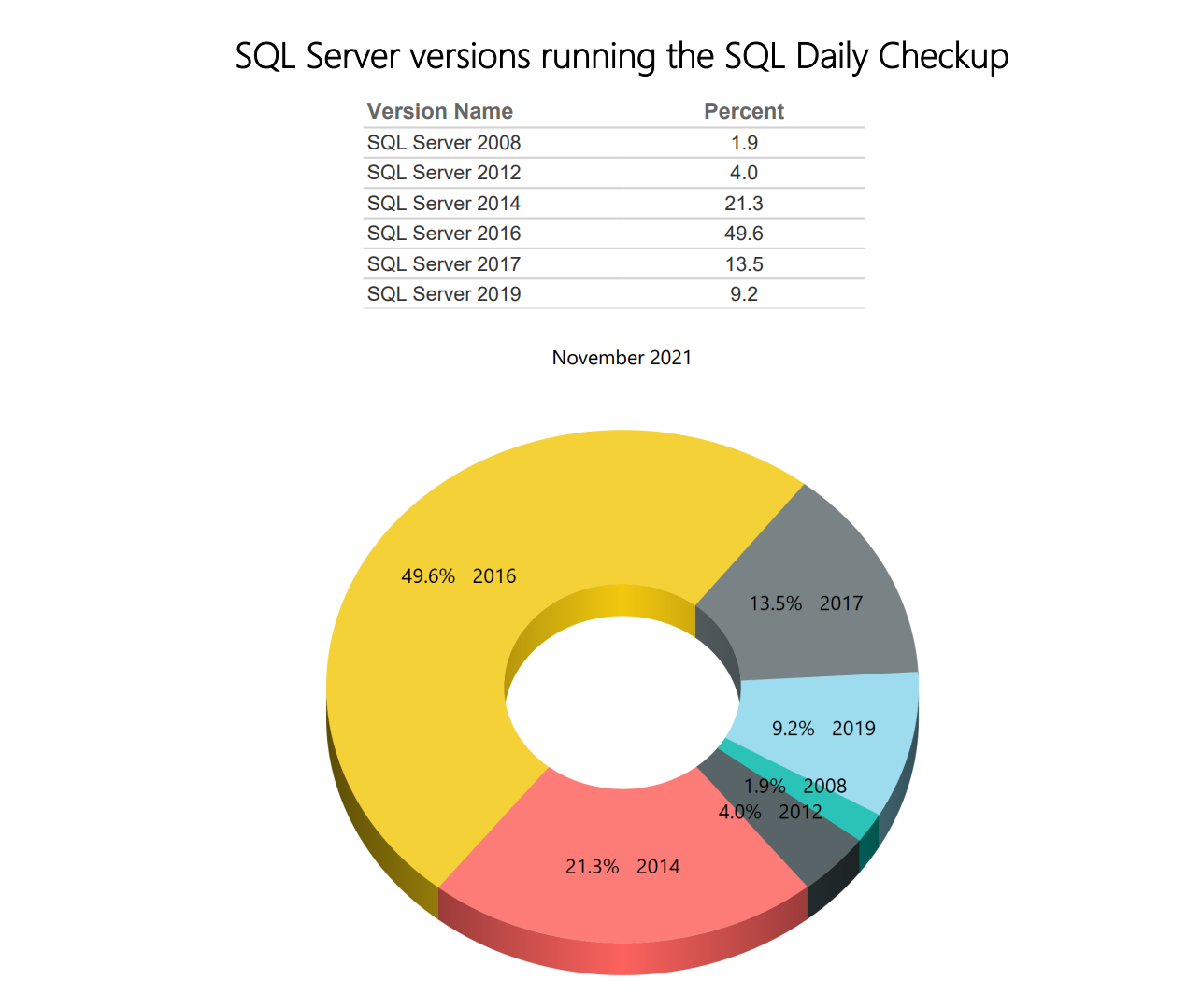
Here listed is the current percentages of SQL server versions running our Daily Check up with Database Health Monitor. Compare this month’s percentages to Last… Read More »SQL Daily Monitoring – November SQL Server Versions

I was recently remembered of a time I was working more with performance tuning on Oracle. The following is something that I had discovered to… Read More »How much Procedure Cache memory does one SQL Statement take up?
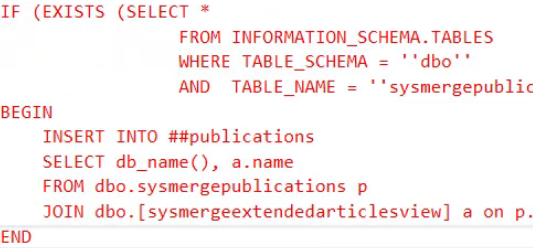
At Stedman Solutions, we do a lot of work with SQL Server replication, mostly transactional and merge replication. The other day I needed a query… Read More »TSQL To Show All Merge Replication Articles

As the DBA, you get a call from the IT Team who monitors disk space and they tell you the following: “One of our server… Read More »My SQL Server is Out Of Disk Space!

Technical Debt is a programming concept that is also known as code debt. The concept of Technical Debt applies closely with Agile software development, but… Read More »T-SQL Technical Debt

Just Released! – Using Database Health Monitor Course Wed, 27 Oct 2021 Thousands of people are using Database Health Monitor but there can be a… Read More »October Blog Post Wrap-up

We are releasing new courses and new discounts all the time. To make it easy for you, we will be posting all coupons and current… Read More »Current Course Coupon Codes:

With the rise in ransomware and freak weather we knew we must offer this service! Don’t let the next disaster end your business. With proper… Read More »We want your company to survive!

Today Microsoft released SQL Server 2017 CU 27 (KB 5006944) . Here are the latest updates for each version of SQL Server. If you need… Read More »SQL Server 2017 CU 27 Just Released by Microsoft